 gurupanguji
The Details behind the fascinating engineering of the Apple 18 Pro Under Display Face ID IR dot projector
In Apple’s iPhone 18 Pro announcement, they almost mentioned in passing that the “Dynamic Island” is now 25% smaller and can now hold 3 live activities.
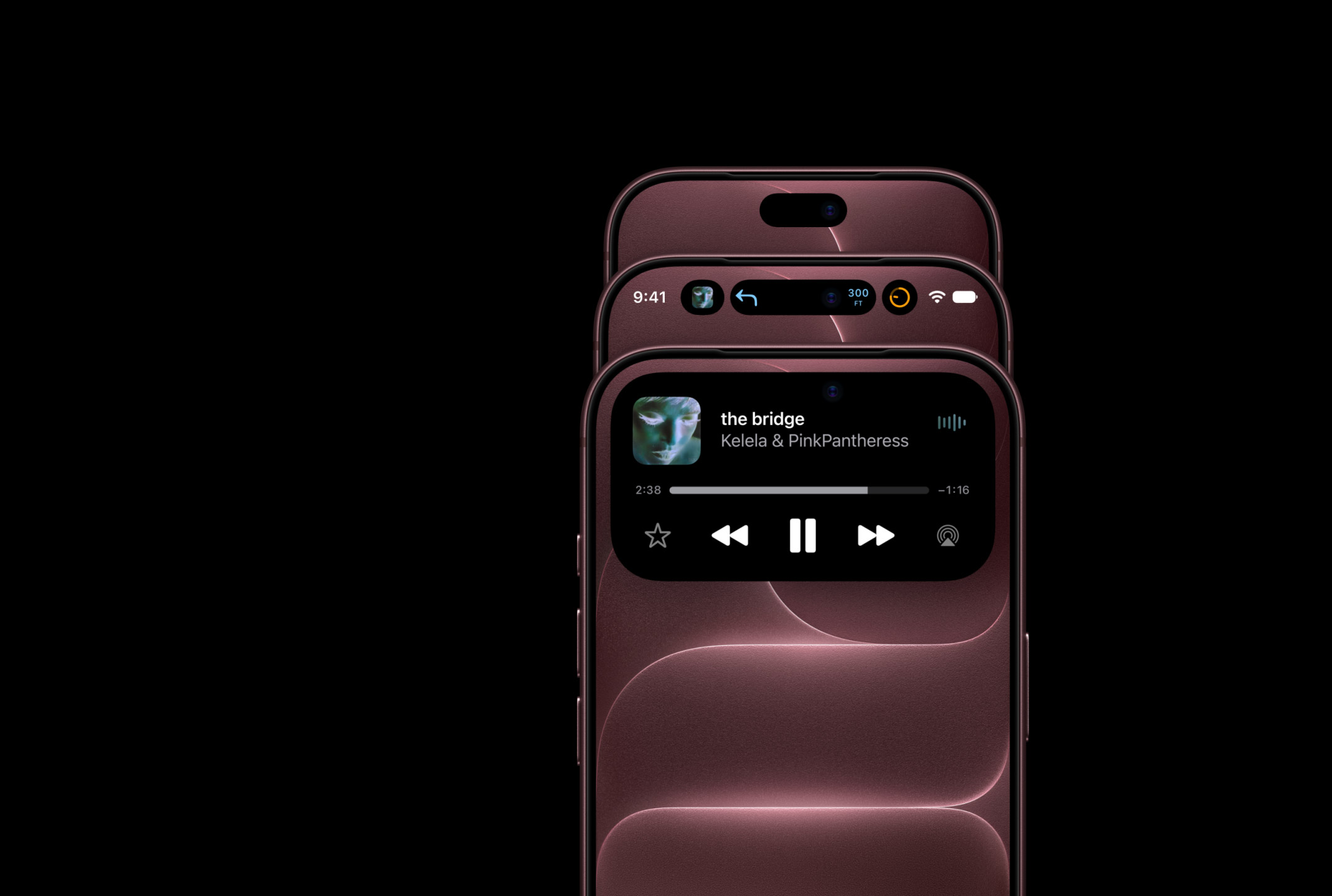
Great leading with the user benefit there, Apple.
However, it got me curious how did they achieve it? Apple’s functionalities often combine industrial, mechanical, electrical, optical designs with software innovations that get manufactured at scale.
When you dig deep, there are often very few companies that perform those kind of core innovations.
Oh boy, I was not at all disappointed by this rabbit hole.
Let’s start with some basics: Under-screen optical sensing isn’t new in the same way that mobile phones weren’t new when Apple introduced the iPhone.
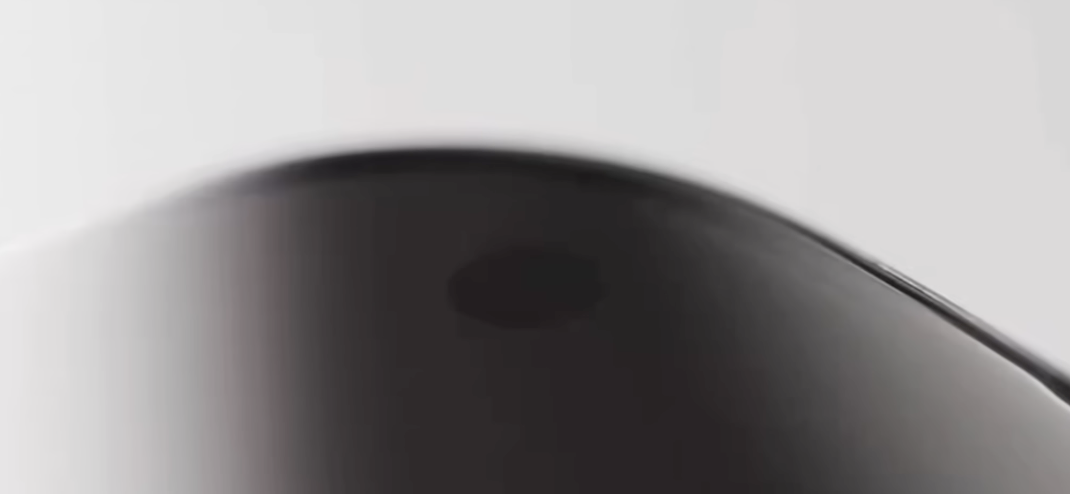
Android OEMs have placed both basic infrared components as well as ambient light and proximity sensors heavily used by Samsung, Xiaomi and the ilk. These sensors use low-bandwidth infrared light emitted through the microscopic gaps of the OLED pixels. Think of these are v1 of this technology.
In a similar vein, under-screen fingerprint scanners that often use the pixel’s light sensors combined with ultrasonic pulses to detect fingerprints are also common in the Android world.
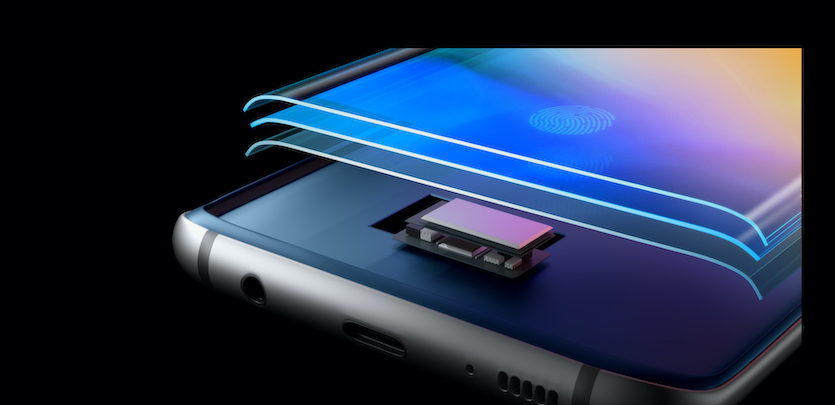 How underdisplay fingerprint scanning works
Finally, underscreen visible light RGB cameras have also been present (for over 5 years) - the Z Fold actually uses one of these. However, this particular technology felt nascent even in the released products. They suffer from haze, flare, soft focus because fundamentally you are working with three hurdles:
- Optical Transmission and Attenuation: OLED panels are a stack of layers with protective glass, polarizers and light-emitting materials along with optically opaque metal electronic circuits between them. So, there’s significant optical attenuation that you need to work through.
- Diffraction: With the microscopic repetitive grid of pixels combined with the metal circuits, they can act as tiny little lenses causing light diffraction. So when thousands of infrared laser dots / visible light pass through this mesh, it scatters through refraction causing distortion to the original pattern (particularly troublesome for a IR dot patterns). The same applies to incoming light - the reflection also suffers similar issues.
- Internal reflections: Finally, the pixels above the sensors also emit their own light and are powered and hence carry current. These cause internal reflections inside the display glass that can significantly boost noise.
Overcoming these limitations is what Apple’s implementation so cool and honestly this is one of those “only Apple” moments that make me respect the company.
Apple’s design involves unique optical physics as a result of customized display and real time software correction as a result of their ISP and chips.
Their solution clearly only works for Near Infrared light - which has longer wavelengths compared to shorter wavelengths of visible light.
Why does that matter?
You remember those microscopic crevices between pixel grids? Lights have different colors because of their differences in wavelengths. Red usually has longer wavelengths than blues. Hence our color spectrum.
// insert red > blue wavelengths.
Now imagine the light wave literally as a thread. The longer the wavelength, the “straighter” the thread.
So, by placing the grid pattern in a specific way, you can engineer yourself a path to have the longer wavelength light come out much straighter than the shorter wavelength light which will have higher diffraction.
So, focusing ONLY on the near infrared light, combined with a different grid pattern that allows for better pass through, Apple engineered a novel solution that works good enough for their IR dot projector and sensor.
Combine that with modified OLED stack layouts + unique pattern for the density and arrangement and a special transparent cathode layer, it allows for much better transmission.
It doesn’t end there.
The emitter pulse and the display refresh cycles are also tightly synchronized to further improve transmission and reception SnRs reducing display cross talk.
I am sure that the animation with the blanking of the pixels on the top also further contribute to the improved SnR.
Finally, the ISP and the neural engine are also likely contributing further noise reduction and/or some inverse-filtering / deconvolution algos that can further boost SnR for this to all work really well.
As I said, when you dig into the details, this “minor” update is so fascinating.
Dave 2D does a great job of showing you the grid pattern difference and some additional details.
Source: YouTube
Btw news of this leaked all the way back in May 2025. People mostly jumped to a tiny window / fully visible screen. My suspicion is that if Apple’s already solved it they are keeping it as a feature for next year’s 20th anniversary iPhone. However, I also wouldn’t be surprised if we just need more time to design through the rest of the implications in about 3-5 years time.
Related: An Ode to the Age of Intentional Objects.
