 gurupanguji
Expertise is required for real evaluation, yet we rely on human intuition
But what about the broader consumer market? When laypeople can’t meaningfully evaluate model quality, they default to what feels best, creating dangerous incentives for labs to optimize for subjective satisfaction rather than genuine capability.
This mirrors how we evaluate other complex systems we lack expertise to judge, like governmental performance. The US Federal Government employs approximately 2.9 million civilians as of May 2025. It’s one of the largest employers in America. I possess very little expertise to judge whether the President is doing a good job. Ditto for most laypeople within a country. This isn’t a critique of democracy. It’s merely an observation that we all routinely make judgements on things we have little expertise in. And that we do so largely based on intuitive impressions.
Original post: gurupanguji.com
The very human need to communicate
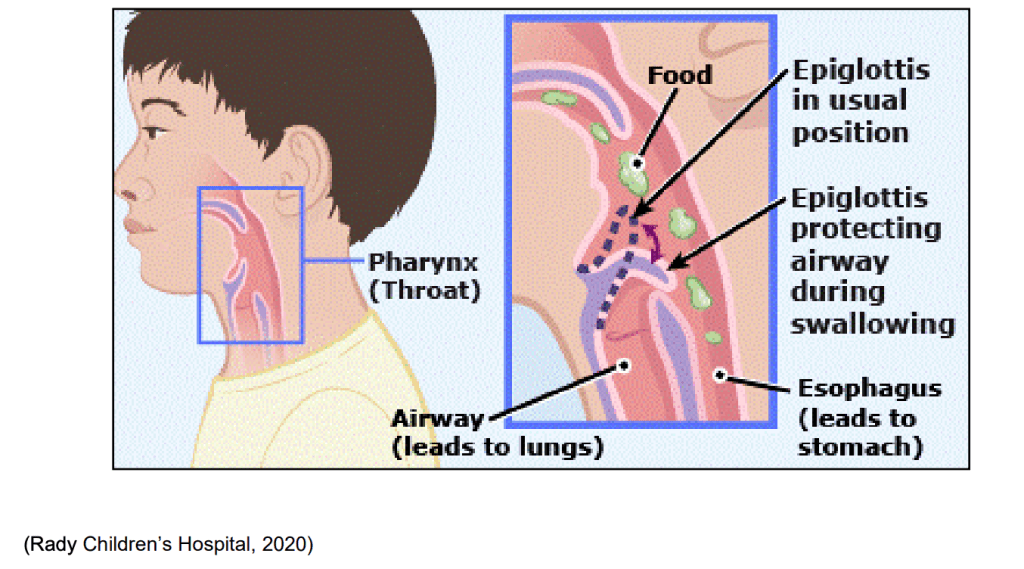
Why lethal? Because of how we evolved to privilege speech over breathing. In most mammals, the larynx is high in the throat, keeping the airway and esophagus reasonably separate. In humans, however, the larynx descended to enlarge the vocal tract. This made for a more resonant cavity, enabling singing and complex speech, but it also created a shared pipe via which even small amounts of wrongly routed food could cause us to choke. But the evolutionary advantage of advanced communication outweighed the survival risk of occasional choking.
Original post: gurupanguji.com