 gurupanguji
I start with a cursor. It blinks. The morning darkness is still thick, broken only by the dim light of my monitor. I hear the steady hum of the HVAC and the sudden gush of air as it flows around me. Outside, the early morning birds start to chirp. I smell warm coffee. Writing is always the hard part. Some days the words flow like a broken dam. Other days I spend my time hitting backspace.
I've been thinking about the intersection of Skills and LLMs. I keep coming back to one question: can I use this to improve my own thinking? I write to think. If I think, I eventually want to publish. I realize I never really describe my writing process. I never think about how I write. I just type. On lucky days, coherence appears. The rest stays as drafts in a folder. I wonder if I can build a Skill to partner with me in co-authoring. I want a system that helps me translate my internal monologue into finished work. Documenting this process provides a blueprint for others.
I looked online and found this tweet to be quite useful to learn the basics of Skill construction.
— Nav Toor (@heynavtoor) February 25, 2026
I've maintained a "working-with-me" for colleagues for years now. So, I used it to get started to setup the primitives - about-me and my working-style. I used passages from this blog post and some old professional documents to feed good examples of my-voice.
I watch the LLM as it reads my primitives. I hear the clack of the keys as I refine them. It scans my history as a "terminal spelunker," my vegetarianism, my preference for Swift and Python, and my camera gear. It adapts. It starts with a vague imitation of my voice, and it slowly grows into a partner that attempts to predict how I might finish my sentences. It is not perfect. It is a hazy simulacrum. This confirms that context is the new currency. If the model doesn't understand your perspective, it can't help you tell your story.
I decide to push past these basic boundaries. I need a better instrument for writing. I do not just ask for a blog post. I still have this (irrational?) belief that my voice is unique. So, I decide to build a blog-coauthoring skill.
This is the longest part of the process because I have to figure out "how" I write. It is not easy. Wait, "not easy" is too mild. It is exhausting to audit your own subconscious habits, even if it is interesting. I break them into stages: The Spark, The Hook, The Editor’s Desk, and The Resonance Test. But structure is just a generic frame. I have to define what makes the writing feel like "me," the journal-like tone, the active voice, and the way I use examples to bridge the gap between an observation and a hypothesis. The manual isn't a finished document. It's a dynamic blueprint for a shared intelligence. It is living in a weirdly anthropological and ontological sense.
Skills are like shell scripts for agents. They're the levers you use to turn raw potential into something more kinetic. I am reminded of pottery. The clay is the context; the wheel is the model. One needs to know how to mould the clay and make a vase. It's the skill (small s). Then examining that and then writing that down into a program that a robot can then try its hand at making similar vases - that's what a Skill does.
It's time to test it. I use it to brain storm my key takeaway. That skills are like man-pages for the LLM world. The discussion moves past nostalgic shell scripts to debate the future of sandboxed intelligence and the risks of data exposure. I discuss vocabulary options testing the ontological abysses to see if the structure holds. The truth is that the co-authoring is a feedback loop. The LLM acts as a mirror, reflecting my thoughts back at me, sometimes with a sharper edge that I started with.
There’s a strange recursion here. The SKILL.md file I just wrote is the tool I'm using to write this post. I make edits to the post to make it more of my voice and then I ask the LLM to analyze the difference. It suggests that I use different types of sentence lengths; it calls out my use of first personal singular point of view and my use of active of voice. I prompt that I like the writing as if I journal my observations.
In some ways, I’m using the manual to write the manual. Maybe, the process is the point! Is this the process of building a partner that can actually synthesize my intent. The "Aha!" moment isn't finishing the post. It's realizing I might be able to build an engine for more!
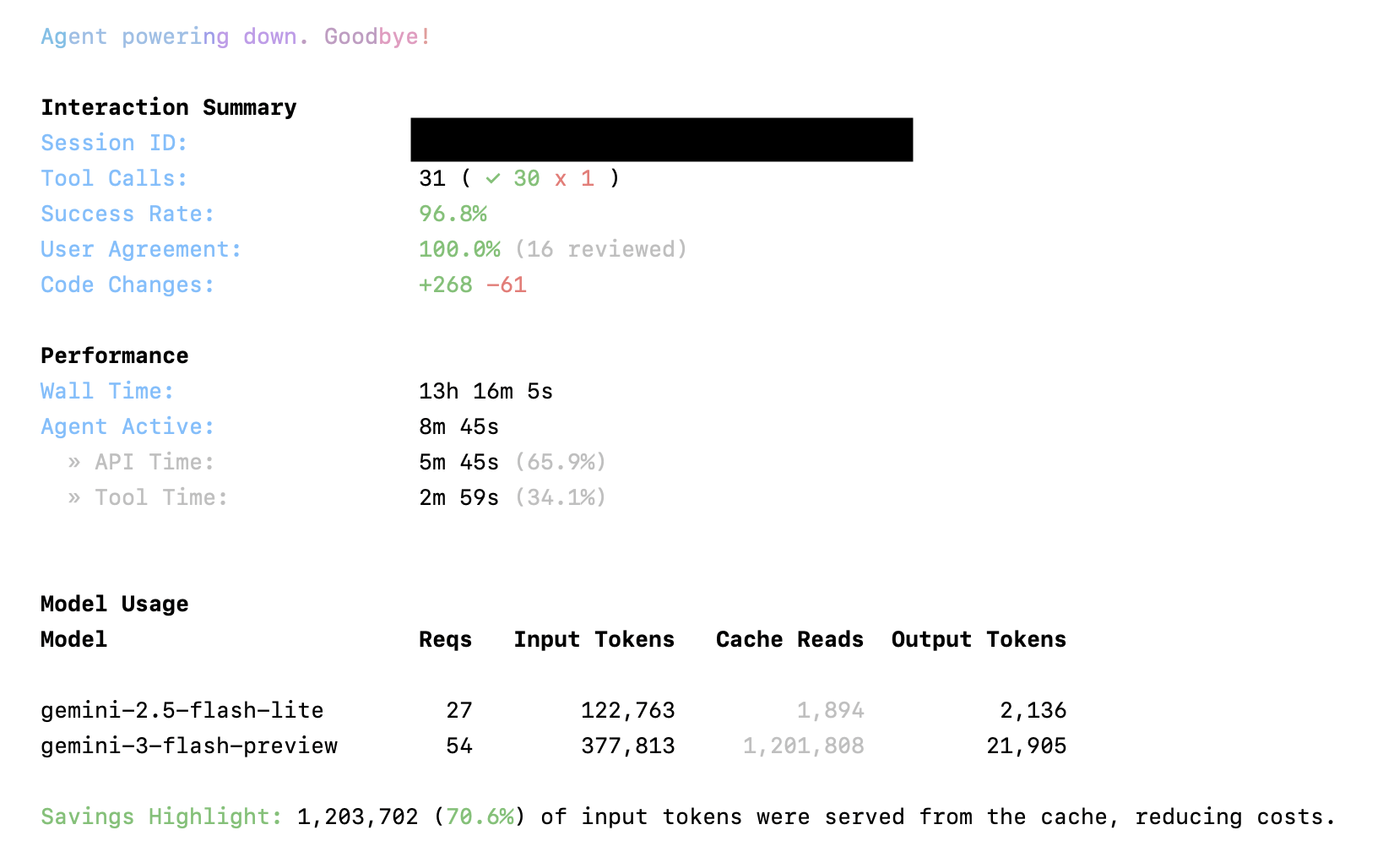
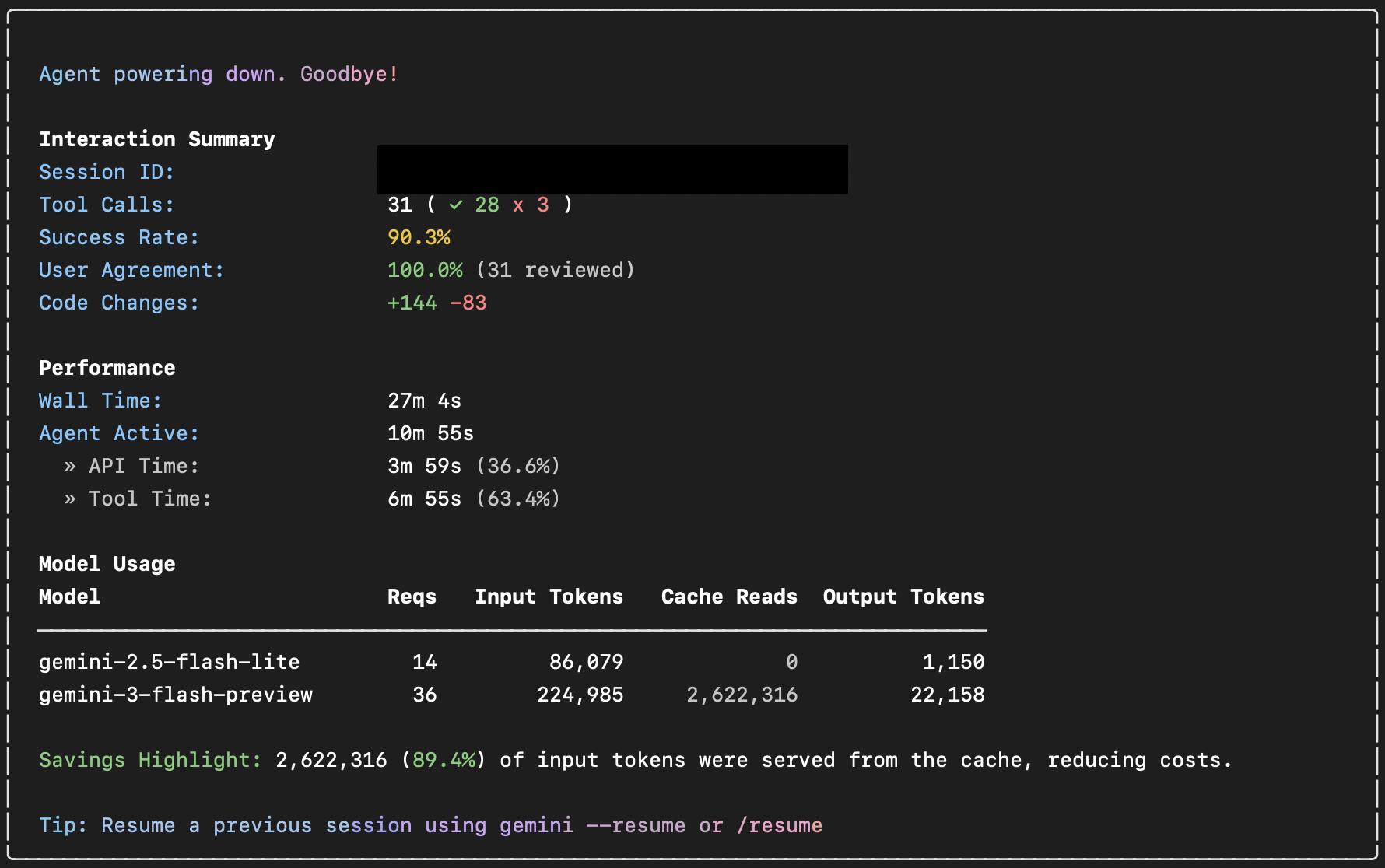
I’m back at the blinking cursor now. I don't know if this skill will stay useful over the long term.
The process is full of conflicting feelings, questions about identity and authenticity mixed with a lot of curiosity about what happens if this actually works.
I don't have a co-author in the sense that I started out with. Yet, the process did help me introspect and learn about my own process more. And maybe with enough iterations, there might be an aid that can convert more drafts into posts.
I’m still irrationally protective of my voice, but I can see the value in separating the "thinking" from the "drafting." I wonder if I should break this down further into separate skills for thought, editing, and voice. It’s an exciting place to be. I am ready to keep tinkering!