 gurupanguji
The Luxury of Intent
Nobody needs a high-precision instrument like the Leica M11-P to make a good picture. In a world of computational photography and AI-driven autofocus, the rangefinder is a redundant masterpiece. However, for the person who derives pleasure from the act of creation itself, the M11-P delivers an experience with a level of luxury and aplomb that few other tools can match.
Quick disclosure: Leica did not send me this camera and this is not a paid review. I bought this M11-P with my own money.
It is an experience that mirrors the world of German-engineered automobiles. You do not need a Mercedes or a BMW to travel from one point to another: a basic commuter car will achieve the same utility. Yet, we choose the luxury of the craft because we appreciate the design, the weight of the doors, and the service that stands behind a machine built for excellence. The M11-P exists for the photographer who wants the luxury of the process: the appreciation for the engineering and the tactile feedback of a tool manufactured to achieve something specific for the consumer.
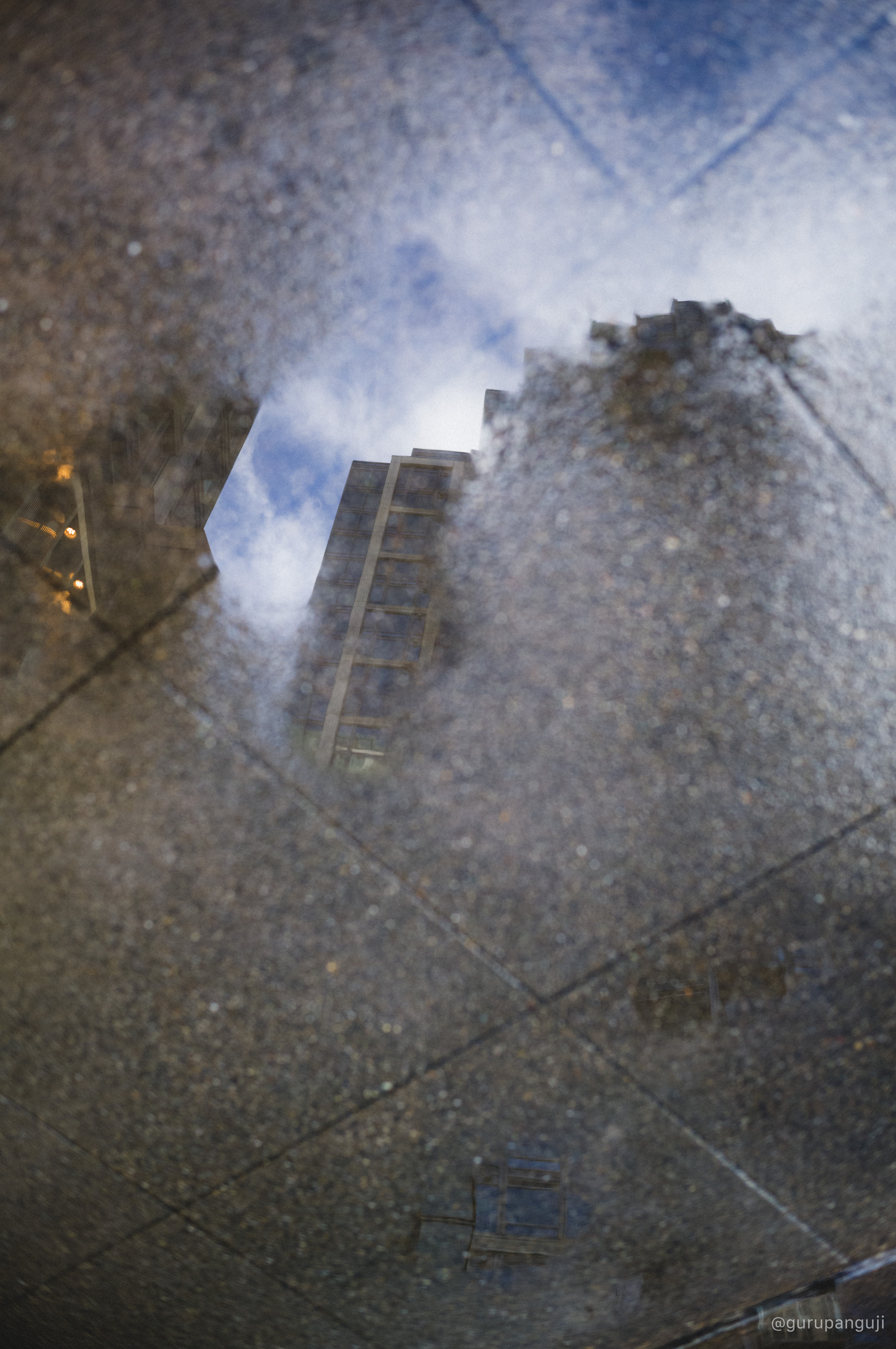
This is the lens through which I view the M11-P. It is a choice of passion over utility. It is an investment in a slower, more deliberate way of seeing that prioritizes the quality of the journey over the mere recording of the destination. The M11-P does not optimize for outcomes. It optimizes for presence. In that shift, photography stops being performance and becomes practice. That philosophy starts with the physical object in your hand.
The Wabi-Sabi of the Brass
The weight of the brass body in my hand is an immediate, cold correction to the featherweight plastic of the modern digital age. It is sterile, heavy, and unapologetically physical. In the negative space of the M11-P’s top plate, cleared of the iconic red dot, there is a quiet dignity. The absence of branding is itself a statement of intent: the camera is a tool for the observer, not a badge for the collector.
The ISO dial is integrated so seamlessly into the left shoulder of the body. It is a piece of functional wabi-sabi: a mechanical imperfection that breaks the symmetry of the machine. The way the hardware controls are integrated with software feels less like a computer and more like a legacy. It is the same Messsucher system that has stood the test of time since the M3. This triangulation of glass and precision demands that you participate in the act of seeing. You do not merely look through this camera: you navigate the scene within it.
Technical Explorer
The M system is a study in functional reduction. Every surface and every control has been reconsidered to prioritize the photographer’s focus. Like the Porsche 911 which has years of refinement on the core concept, the M11-P is the latest iteration with refinements and design changes (some tiny, some large) in the exterior and the internals of the M system. Explore the architecture of the camera through the different views below.
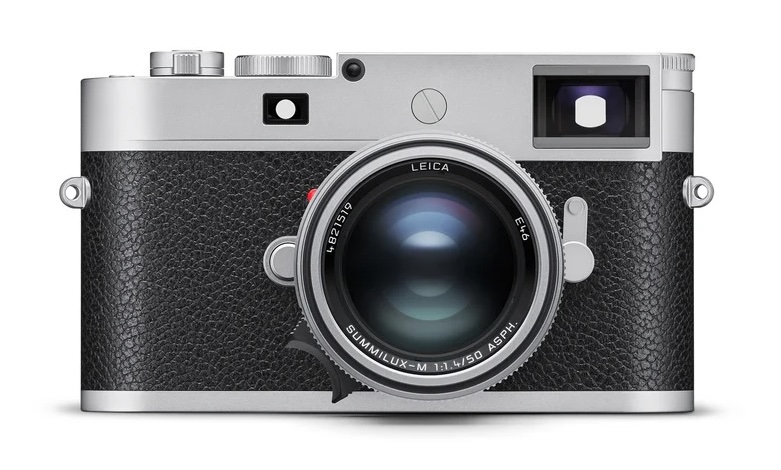
Triple Resolution Sensor
The 60MP BSI CMOS sensor offers three distinct resolutions using the full sensor area: 60, 36, or 18 megapixels.Stealth Branding
The removal of the iconic red dot is a statement of professional discretion. The camera body remains anonymous to the casual observer.Frame-lines Lever
A classic mechanical toggle that allows the photographer to preview various focal length frames within the viewfinder.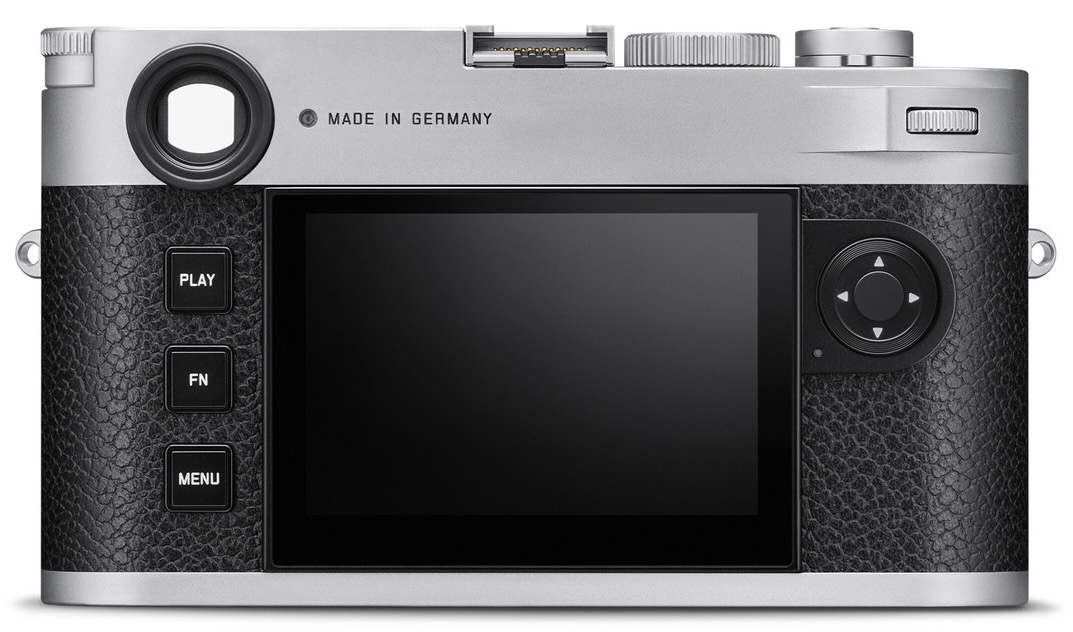
0.73x Viewfinder
A high-magnification optical window that provides a clear, bright view of the scene and the focusing patch.Sapphire Glass Display
The high-resolution LED screen is protected by sapphire crystal: the hardest material next to diamond.Simplified Controls
A minimalist three-button layout (Play, FN, Menu) ensures that the most critical functions are always at your fingertips.Exposure Button
The customizable button on the thumb-wheel allows for rapid exposure compensation adjustments during the shoot.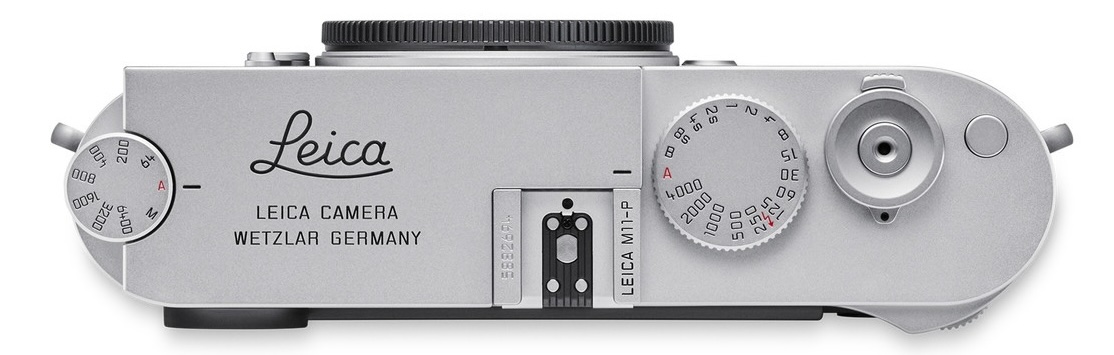
ISO Dial
The dedicated physical dial for sensitivity is a tactile anchor: it allows you to change settings even when the camera is off.Shutter Dial
A mechanical dial for shutter speed selection: ranging from 8 seconds to 1/4000s.Customizable Button
A user-programmable button located next to the shutter release for instant access to your preferred digital function.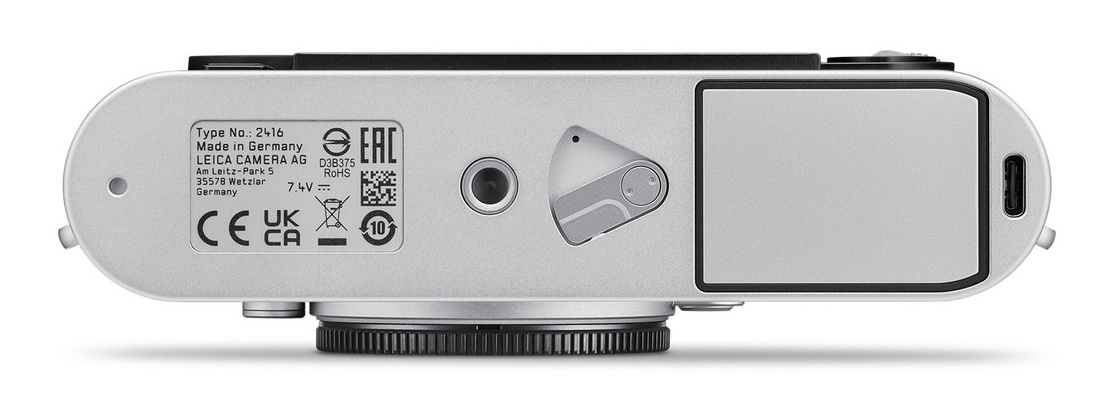
Battery Release
A mechanical lever that ejects the battery directly from the base: eliminating the need for a removable base-plate.High Capacity Cell
The 1800mAh battery provides 64% more endurance than previous generations: ensuring you never miss the decisive moment.The Rangefinder Ritual
To focus an M-system camera is to engage in a ritual of alignment. Unlike an autofocus sensor that hunts for contrast or way more complex algorithms in modern mirrorless cameras, the rangefinder requires the human eye to reconcile two overlapping worlds. You must find the edges, the contrasts, and leverage the geometry of the scene to ensure focus.
This ritual is a deliberate pause in the flow of photography. It forces you to slow down and observe the scene more carefully. The rangefinder is designed to please the photographer by making focus a conscious, intentional act.
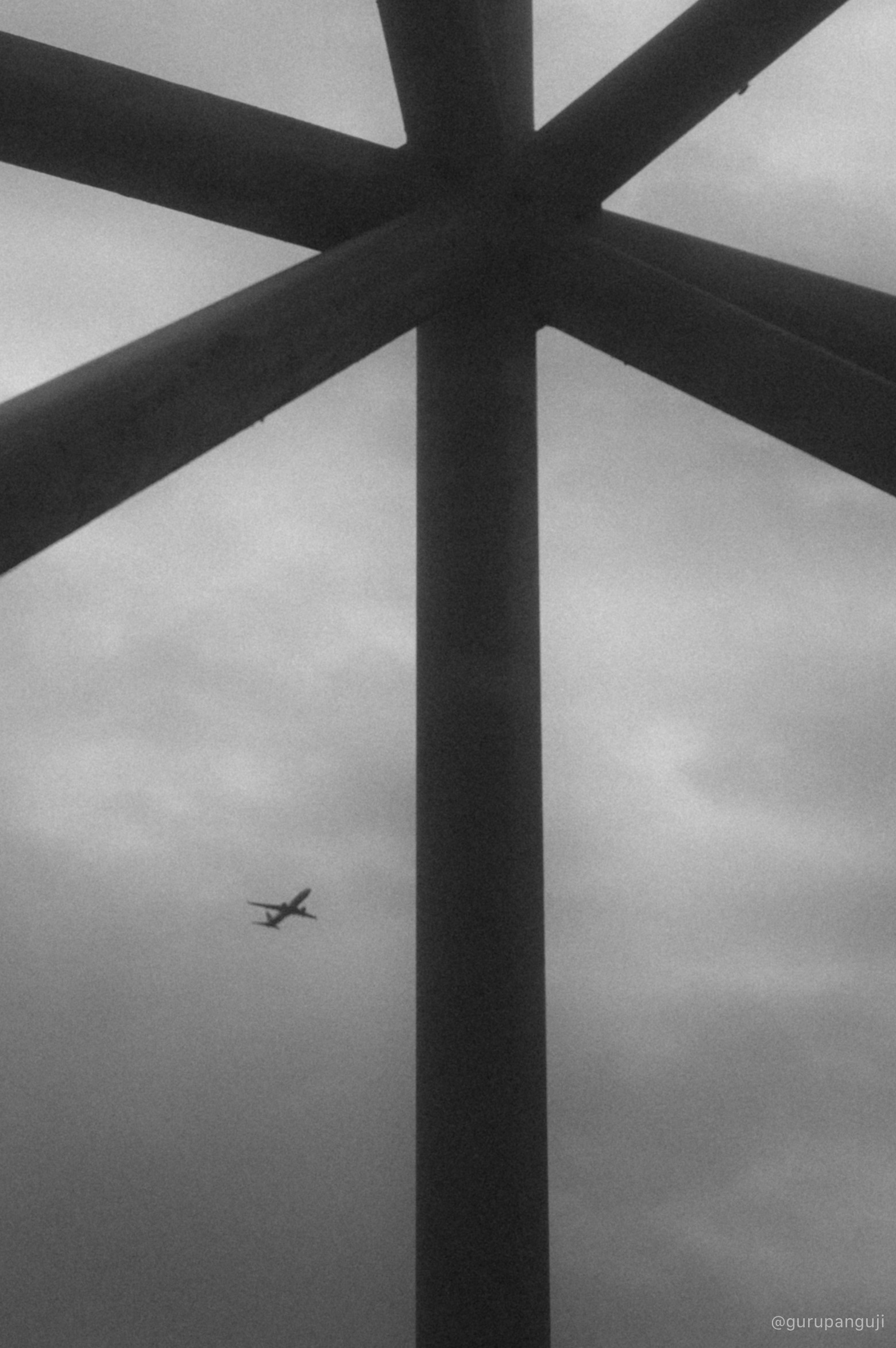
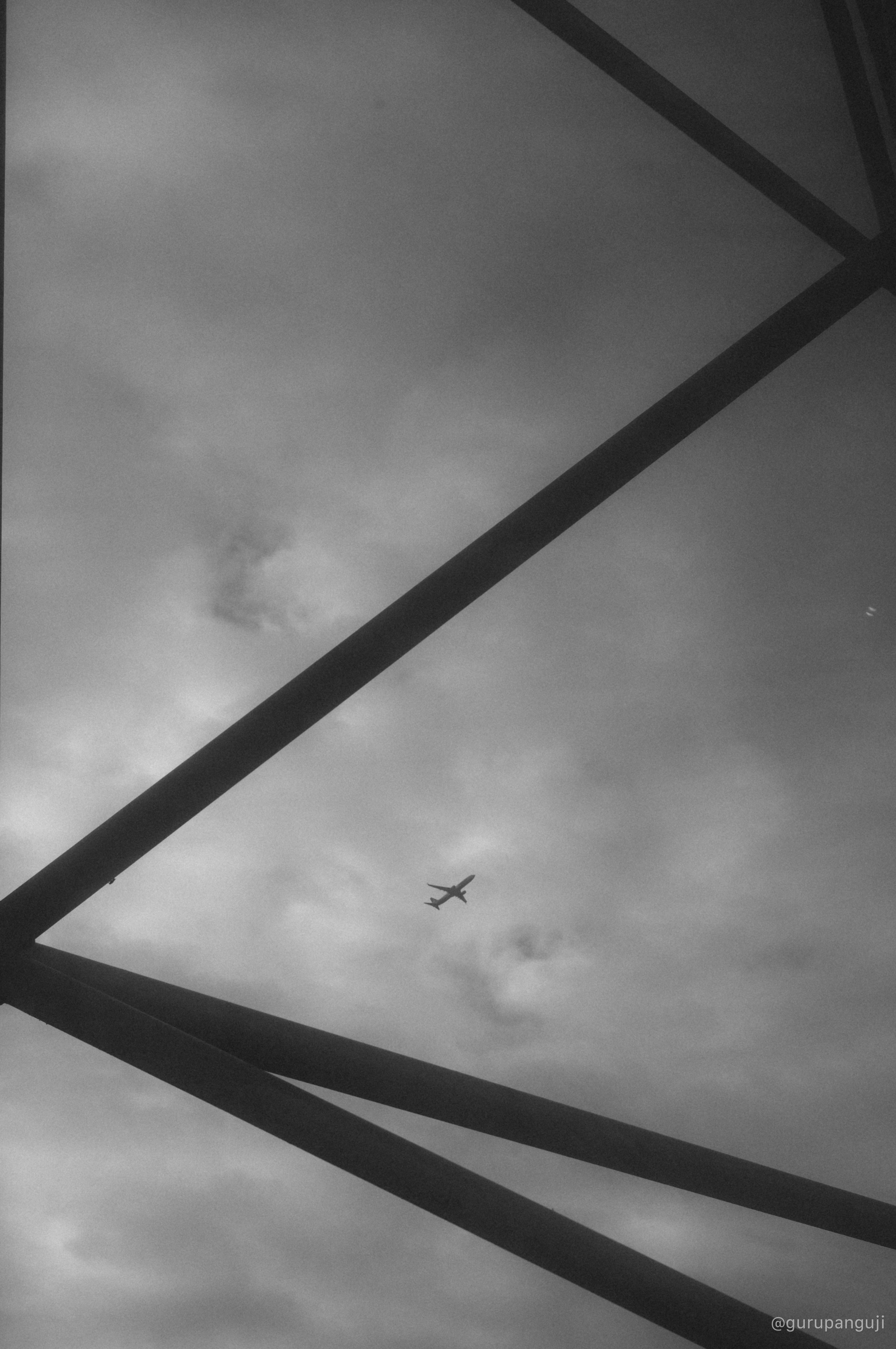
There is an earned satisfaction in the moment the two images merge into one. Literally, your brain processes it as 'alignment', a correction of an error and it is the instant where visualization becomes reality. By relying on the rangefinder rather than an electronic approximation, you are forced to own the focus. The camera is a tool. It merely records the success or failure of your own intent. The process is another example of how the rangefinder is designed to please the photographer. It focuses on the process, and not the outcome. In a metrics-driven world, this feels almost rebellious. It pulls your attention away from metrics and back to observation. That shift in attention reframed my entire camera journey.
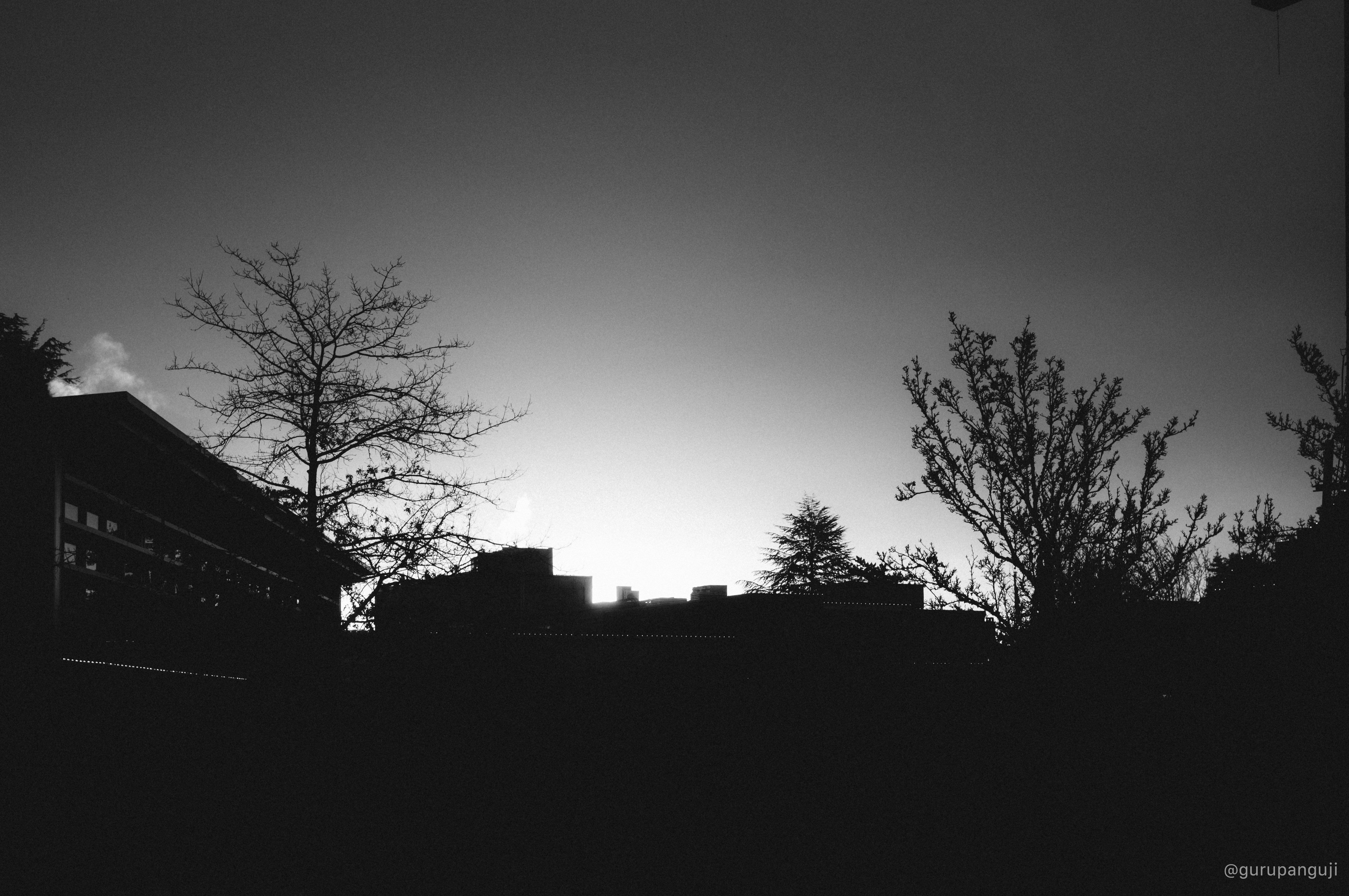
The Acoustic Experience
My journey to the rangefinder was a slow, deliberate crawl. DSLRs were my introduction to photography. The first camera was a Nikon D7000 which got upgraded to the full frame Nikon D750. Somewhere in there, I chanced upon the Fuji X100s.
It was a revelation - a Player Series Fender with a built-in Multi-FX pedal: reliable, fun, and heavily automated. However, I really enjoyed the constraints of a single lens. It also made me fall in love with the 35mm focal length.
So, it's no surprise that my gateway drug to the Leica systems was the Leica Q (Typ 116). It was my Custom Shop Stratocaster: a high-performance tool designed for speed and precision. The Leica Q is where I started dabbling with manual focus. While I didn't think the systems were particularly great for manual focus, I was often forced to use them as the autofocus on the X100 was super slow and busted. The Leica Q had slightly better autofocus but it still often missed shots. At any rate, they removed my fear of the manual focus. I was ready to dive deeper.
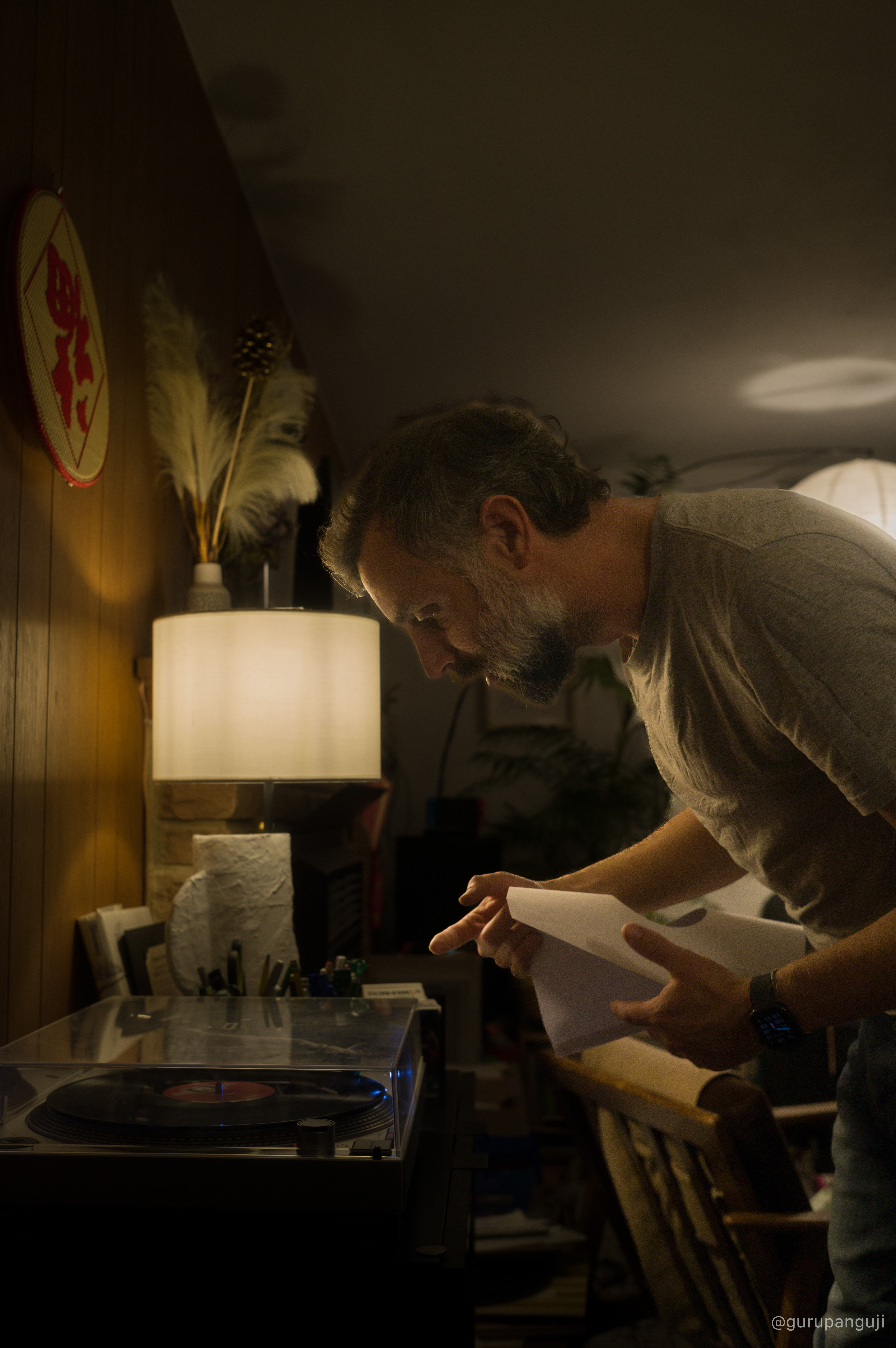
To make that jump, I bought the M11-P used and traded in a lot of my older kit: my Leica Q, a Nikon body, the Ricoh GR II, and all my Nikon lenses except one. I kept the Nikkor 50mm f/1.8D because it was the first lens I ever owned.
The M11-P is a different species. It is a modern Martin acoustic guitar. It is an unapologetic acoustic experience that utilizes only the necessary electronics to modernize a soul built to last a century. Its essence remains pure. While the EVF on a Nikon Z system or the Leica Q offers the immediate truth of the final image, I found myself wanting to move away from that digital crutch. I wanted to train myself to visualize the image in my head before the shutter ever clicked.
The M11-P is not all unicorns and rainbows. The rangefinder feels anachronistic in this age of AI autofocus. Worse, it is not an accessible system if you have poor eyesight. I use it with glasses and feel the pain because 28mm framelines are near invisible in this mode.
Want to use any of the non standard focal lengths and now your mind also has to visualize that frame within the framelines (or outside if it's anything wider than 28mm). In an age of EVFs that are getting ever advanced, an era where people are comfortable with wearing an entire virtual reality headset, the viewfinder of the rangefinder doesn't even support native diopter adjustment.
With the new M-EV1, Leica seems to hint at a potential world where maybe there might be a hybrid viewfinder on the horizon with the M12, maybe? Personally, I am betting that's not going to happen.
So, I certainly will understand any and all criticisms around people unable to comprehend the tradeoffs for a very expensive piece of kit. If you don't get it, vote with your wallet, and nobody will be offended. Some of us are just wired differently.
The Earned Frame
The M-System is a commitment to the ritual. By stripping away the automation, I might miss a bunch of serendipitous bangers that an autofocus system would have caught. But when I do nail the shot, the photograph feels earned. There is a specific satisfaction in knowing that the focus was hit manually and the exposure was judged by eye. It is the difference between a snapshot and a composition.

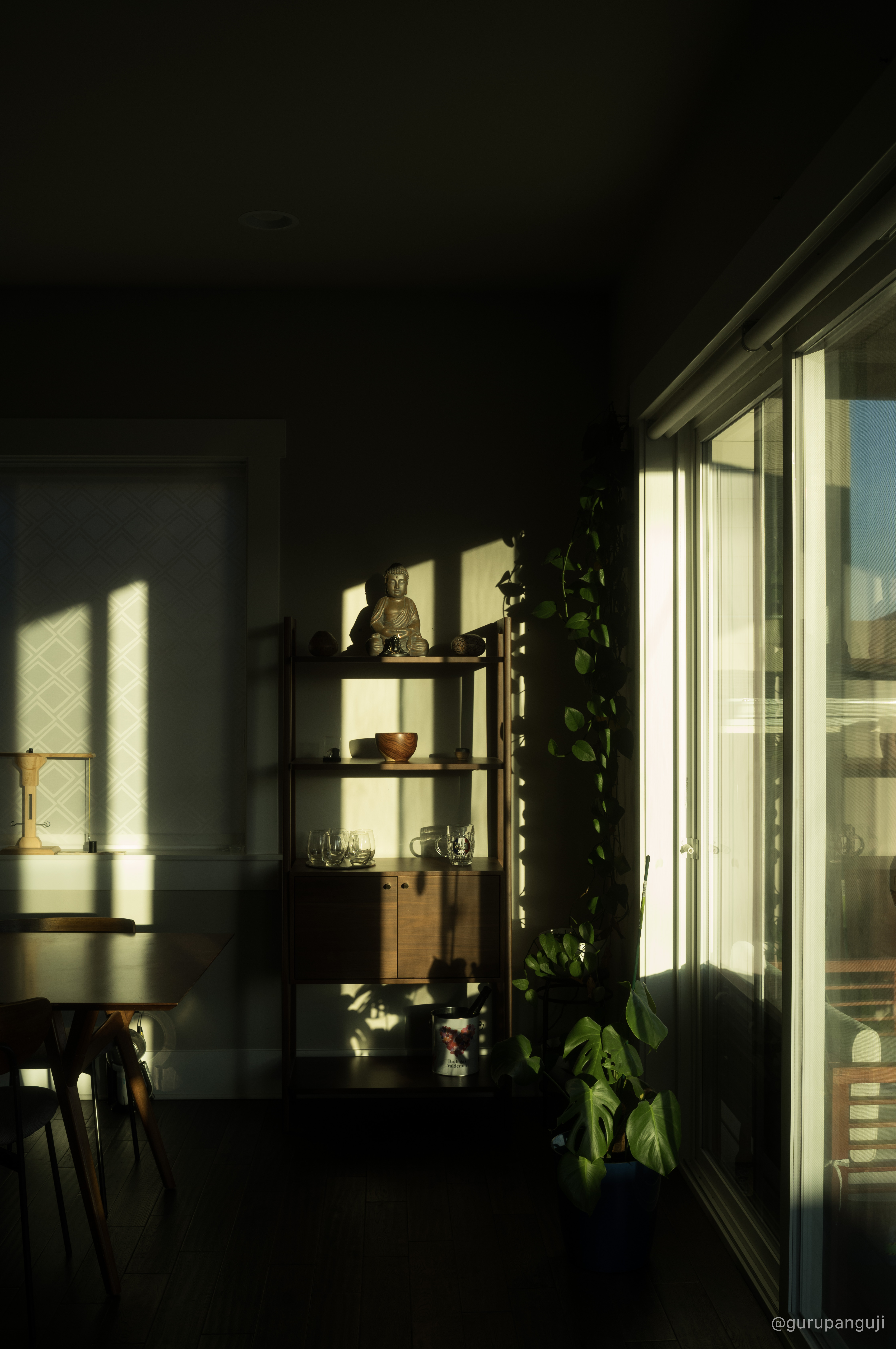
The Leica Look here is amorphous. On the Q, it was easy to define: the buttery 28mm bokeh and the punchy, modern colors. On the M11-P, the look is found in the rendering of the lens and the chromatic honesty of the sensor. Whether I am using a Voigtländer or waiting for the day I can justify the purchase of Leica glass, the output has a three-dimensional quality. It is a combination of optical character and the mental discipline required to capture the scene.

The Architecture of Satisfaction
The word that ultimately defines my time with the M11-P is satisfaction. It is not the fleeting joy of a new gadget: it is the deep, structural fulfillment that comes from a tool perfectly aligned with its purpose. This camera, with its sterile brass weight and its uncompromising mechanical ritual, has achieved something rare. It has simplified my creative life.
My once-cluttered collection has been distilled into a focused duality: the Fuji X100 for the moments that require agility, and the Leica M-system for the moments that require intent. With my Voigtländer 35mm and 50mm lenses, I have found a kit that does not just capture images. It invites me to create them. I find myself drawn to take more pictures than ever before.
This satisfaction stems from the process itself. Because the M11-P offers no digital crutches, I am forced to consider every aspect of the creation. I am drawn to the visualization of the scene, the precision of the technique, and the physical levers of the tool. Every shutter click is a deliberate act of craft. The combination of the device’s physical qualities and the mental involvement it demands has turned photography from a hobby into a discipline. The most profound shift is philosophical: the camera recenters the photographer, not the photograph. That sounds subtle, but in practice it is seismic. Once process becomes the point, outcome becomes a byproduct. The satisfaction is intrinsic, and that makes it feel both earned and permanent.